
Product added to Cart
Total:
$0.00


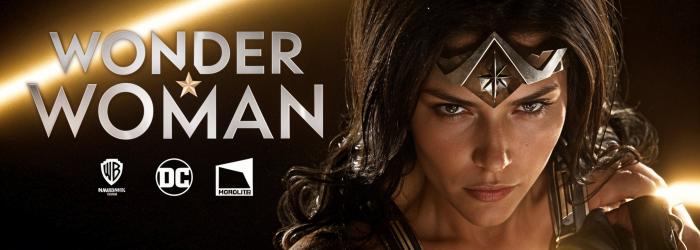
Warner Bros. just dealt a devastating blow to the gaming industry, not with a villainous plot, but with a chillingly familiar corporate strategy. The closure of three studios – Monolith Productions, Player First Games, and WB San Diego – and the cancellation of the Wonder Woman game isn’t just a business decision; it’s a betrayal of gamers, developers, and the very spirit of creative innovation.
Warner Bros. justifies these closures as a strategic shift towards "key franchises" – Harry Potter, Mortal Kombat, DC, and Game of Thrones. But this narrow focus, while financially appealing in the short term, is a dangerous gamble that ultimately harms us all. By prioritizing established IPs, publishers stifle creativity, limit diversity, and deprive us of the groundbreaking experiences that define the gaming industry’s best moments. Ironically, even a DC property like Wonder Woman isn't safe from this franchise frenzy, demonstrating the ruthlessness of this approach. The closure of Monolith Productions, a studio renowned for innovative titles like F.E.A.R. and the Middle-earth series, is a tragic loss. Their Wonder Woman project, reportedly hampered by a ballooning budget and leadership issues, could have been a landmark superhero game. Instead, it becomes a symbol of how risk aversion stifles ambition and deprives us of potentially groundbreaking experiences. Even MultiVersus, with its promising crossover roster, fell victim to the pressures of the live service model. Its failure to maintain a substantial player base highlights the challenges of sustaining games in a crowded market, but also raises the question: did Warner Bros. provide adequate support and resources to nurture its growth?
The closure of WB San Diego, known for its mobile contributions, reveals a larger, more concerning trend. Warner Bros., like many other major publishers, is prioritizing established IPs and cross-media synergy over original ideas. This creates a homogenized gaming landscape, where innovative, experimental titles struggle to find a foothold. We, as gamers, must reject this narrow-minded approach. We deserve more than endless sequels and reboots. We deserve original IPs, bold new visions, and experiences that push the boundaries of what games can be. By supporting innovative titles, demanding more from publishers, and celebrating creative risks, we can help shape a gaming landscape that values originality and fosters true innovation. Don't let Warner Bros.' decision be the future of gaming. Demand better. Demand more. Demand innovation.





Comments